

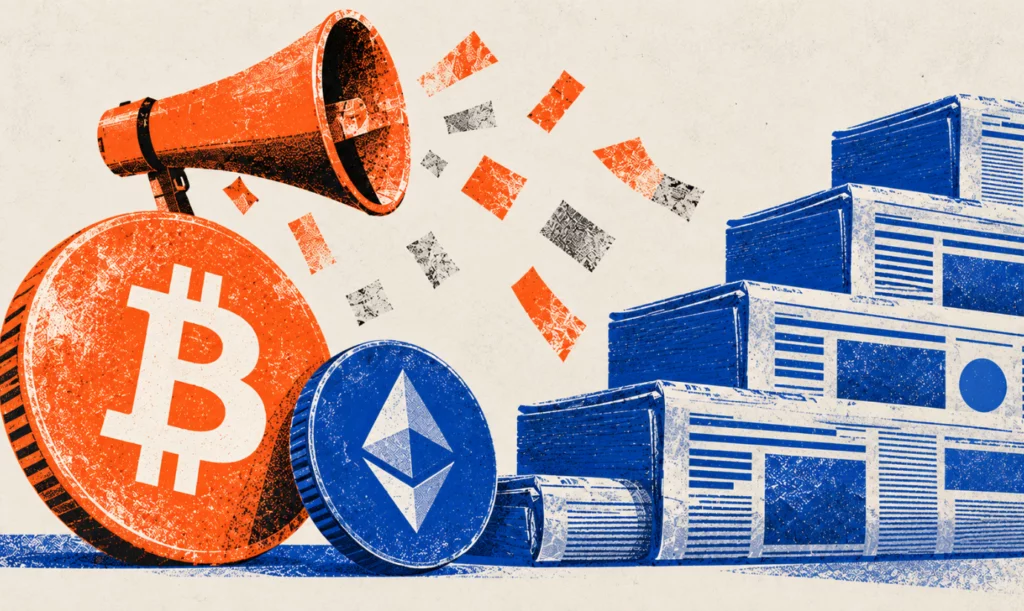
Crypto projects are rethinking their marketing strategies in 2026 as traditional promotional campaigns struggle to turn short term attention into sustained engagement.
Summary
- Influencer campaigns and airdrops remain common crypto marketing strategies in 2026, but short bursts of attention do not necessarily translate into lasting user engagement.
- Smaller creators with relevant audiences and rewards linked to genuine product activity can help projects attract users who remain active beyond launch campaigns.
- Press coverage and SEO continue to offer value by making project information easier to discover, verify and access long after promotional campaigns end.
- Paid advertising remains restricted across major platforms, while campaigns focused on unknown tokens can struggle to justify their acquisition costs.
- Crypto teams increasingly need a combination of credible news coverage, useful educational content and incentives that encourage sustained product use.
Launching a token is easier than ever. Getting people to notice it is not. New projects show up every day, and most of them go after the same audience on the same platforms with the same tactics. Some of those tactics still deliver. Others eat the budget and leave little behind.
Here is how the main channels crypto teams use today actually hold up.
KOLs: still useful, but audiences are wiser
Paying influencers on X, YouTube and Telegram is still one of the most common ways to promote a project. The difference now is that audiences can spot a paid post right away, and regulators expect it to be labeled. The FTC’s endorsement guides require paid relationships to be disclosed, and the UK has strict rules on who can promote crypto to its consumers. A shoutout from a big account can bring a rush of attention, but it usually fades within a day or two.
What works: smaller creators with a focused audience, longer partnerships, and creators who actually use the product and can explain it.
What doesn’t: one-off paid posts from large accounts with no context. Followers have seen too many of these end badly.
Airdrops: good for attention, bad for loyalty
Airdrops still bring in users fast. The problem is who those users are. Many are farmers running dozens of wallets, a practice known as a Sybil attack, who sell the moment the token goes live. Projects end up giving tokens to people who were never interested in the product.
What works: rewards tied to real use over time, such as holding a position, coming back across several weeks, or using more than one feature.
What doesn’t: simple “connect wallet and claim” campaigns. They create a short spike in numbers and then heavy selling.
Quests and points programs
Quest platforms let projects reward users for completing tasks like following accounts, joining a Discord or making a test transaction. Done well, they teach new users how the product works.
What works: tasks that require people to use the product in a meaningful way.
What doesn’t: social tasks that only boost follower counts. Those followers rarely engage, and anyone checking the project can usually tell.
PR: slower, but it lasts
Press coverage is not the most exciting channel, but it holds its value longer than most. When a new user, investor or exchange looks a project up, they search its name. Published announcements on crypto news sites show up in those results and give the project a record people can check.
Pitching every outlet one by one takes time, so many teams use press release distribution for crypto projects to get launch, partnership or listing news onto several sites at once. The key is having something real to announce.
What works: actual news, such as a mainnet launch, audit results, a new exchange listing or a funding round.
What doesn’t: releases with no real news, or ones packed with words like “revolutionary.” Editors and readers skip them.
SEO: still underused in crypto
Many crypto teams ignore search because it takes months to show results. That is exactly why it works for those who stick with it. People search questions like “how to bridge to this chain” or “is this protocol safe” every day. Projects with clear guides, docs and FAQ pages answer those questions and get steady traffic without paying for each visitor.
What works: helpful, specific content that answers what users actually search for. Google’s own guidance on people-first content is a good starting point.
What doesn’t: pages of filler written only to rank. Search engines have gotten good at filtering these out, and readers leave quickly anyway.
Paid ads: limited and expensive
Google and Meta both restrict crypto ads, and many types of projects need approval or a license before they can run them. Google, for example, does not allow ads for token sales at all. Crypto-specific ad networks exist, but the quality of their clicks varies a lot.
What works: ads for licensed products like wallets and exchanges, and retargeting people who have already visited the site.
What doesn’t: paid ads for a new, unknown token. The cost per real user is usually too high to justify.
What ties it together
The channels that still work have one thing in common: they give people a reason to trust the project or to stay. Hype brings quick spikes. Trust brings steady growth.
Most teams that do well don’t put everything into one channel. They mix a few. A small group of genuine creators, useful content, real news shared through the press, and rewards that go to actual users is enough to build something that lasts after launch week.
The tools have changed a lot over the past few years. What people respond to has not changed much. Show them something real, explain it clearly, and make it easy to check.




Leave feedback about this