

U.S. Senate Minority Leader Chuck Schumer introduced the Anti-Corruption Bureau Creation Act on July 30, proposing a federal agency with authority to investigate and pursue executive-branch corruption.
Summary
- Seven Senate-confirmed members would lead the proposed bureau, with subpoena, enforcement and reporting powers nationwide.
- Trump’s certified disclosure entries totaled over $1.4 billion across crypto-related ventures during calendar year 2025.
- Four Democratic senators sponsor the bill; its launch materials named no Republican cosponsor on Friday.
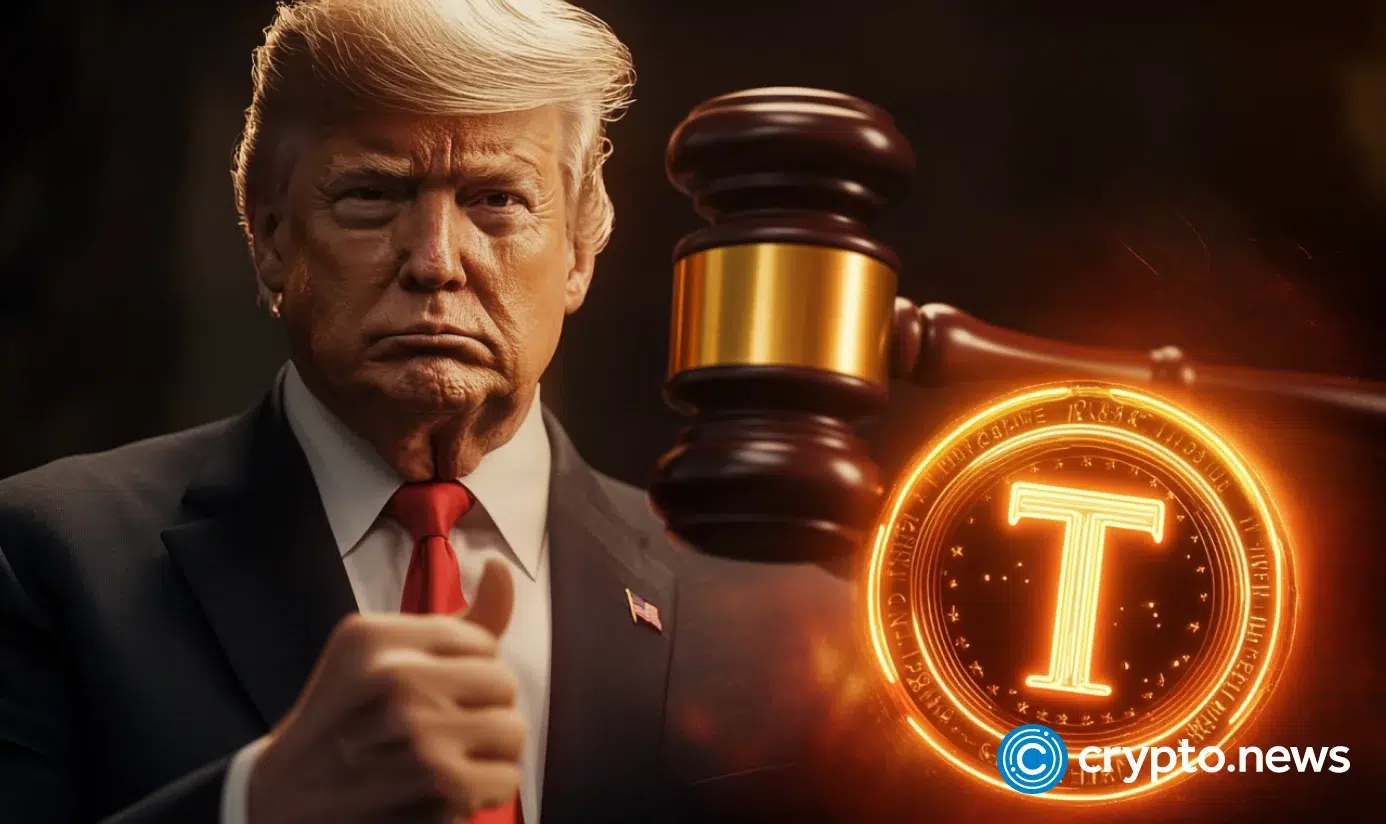
Senators Andy Kim, Alex Padilla and Jeff Merkley joined Schumer as original cosponsors.The bill cites President Donald Trump’s 2025 financial disclosure and says he received at least $2 billion from investments and business interests, including more than $1.4 billion connected to crypto ventures. The proposal does not itself establish that any disclosed income resulted from illegal conduct.
The crypto figure represents an aggregation of entries in the disclosure, rather than a single total calculated by the Office of Government Ethics. The filing reports income and transaction amounts, not the net profit that would appear on a tax return.
Anti-Corruption Bureau would combine three watchdogs
Schumer’s proposal would place the Federal Election Commission, Office of Government Ethics and Office of Special Counsel inside one independent bureau. A seven-member board confirmed by the Senate would oversee investigations, subpoenas, enforcement actions and public reporting.
The legislation would also allow state attorneys general and private plaintiffs to seek recovery of funds allegedly obtained through corruption. Its official summary describes disgorgement, treble damages and awards for successful plaintiffs. It also proposes a self-financing Freedom From Influence Fund.
A three-judge division of the U.S. Court of Appeals for the D.C. Circuit could appoint temporary board members when vacancies threaten the bureau’s operation. The provision is intended to prevent a president or Senate from disabling the agency by leaving seats vacant.
Trump’s crypto income came from several ventures
Trump’s certified disclosure lists $635.1 million in royalties from Celebration Coins. It also records hundreds of millions of dollars from World Liberty Financial token sales, equity transactions and crypto wallets, plus $196.9 million tied to a stablecoin-related holding company. Together, the listed crypto-related entries exceed $1.4 billion.
Those figures describe disclosed revenue and proceeds, not necessarily Trump’s personal after-tax earnings. As previously reported, the filing showed that crypto generated more income than Trump’s resorts and other property businesses during 2025.
The bill separately states that Trump’s family held more than $1 billion in a crypto fund connected to foreign governments. It references a reported United Arab Emirates-backed investment in World Liberty Financial. These are legislative findings and allegations, not a court judgment that corruption occurred.
White House rejects conflict-of-interest claims
White House Principal Deputy Press Secretary Anna Kelly said Trump’s investments were held in fully discretionary accounts managed by independent third-party financial institutions. She maintained there were “no conflicts of interest.” Trump has also said he does not manage his personal finances while serving as president.
Schumer described the existing federal oversight system as a “broken patchwork” and argued that its agencies were not designed to address current executive-branch conduct. The White House disputes the premise that Trump’s business income creates an unlawful conflict.
The bill faces a difficult path through Congress
The publicly released full bill text still displayed a placeholder instead of a Senate bill number on July 31. The launch announcement listed four Democratic sponsors and no Republican cosponsor. The measure must clear both chambers before reaching Trump, who could veto it.
The proposal also enters a wider debate over the Digital Asset Market Clarity Act. Senator Cynthia Lummis released updated Senate text on July 22 after the bill passed the Banking Committee by a 15–9 vote. Senator Elizabeth Warren argued that its current ethics provisions would not adequately restrict presidential crypto interests, while supporters continued to seek a bipartisan agreement.
Crypto.news reported that the CLARITY Act still faced disputes over ethics and banking provisions as supporters pressed for a vote. The Senate is scheduled to reconvene on Aug. 3, but no timetable has been announced for Schumer’s anti-corruption bill. Its next steps could include formal numbering, committee referral and hearings before any floor consideration.






Leave feedback about this