

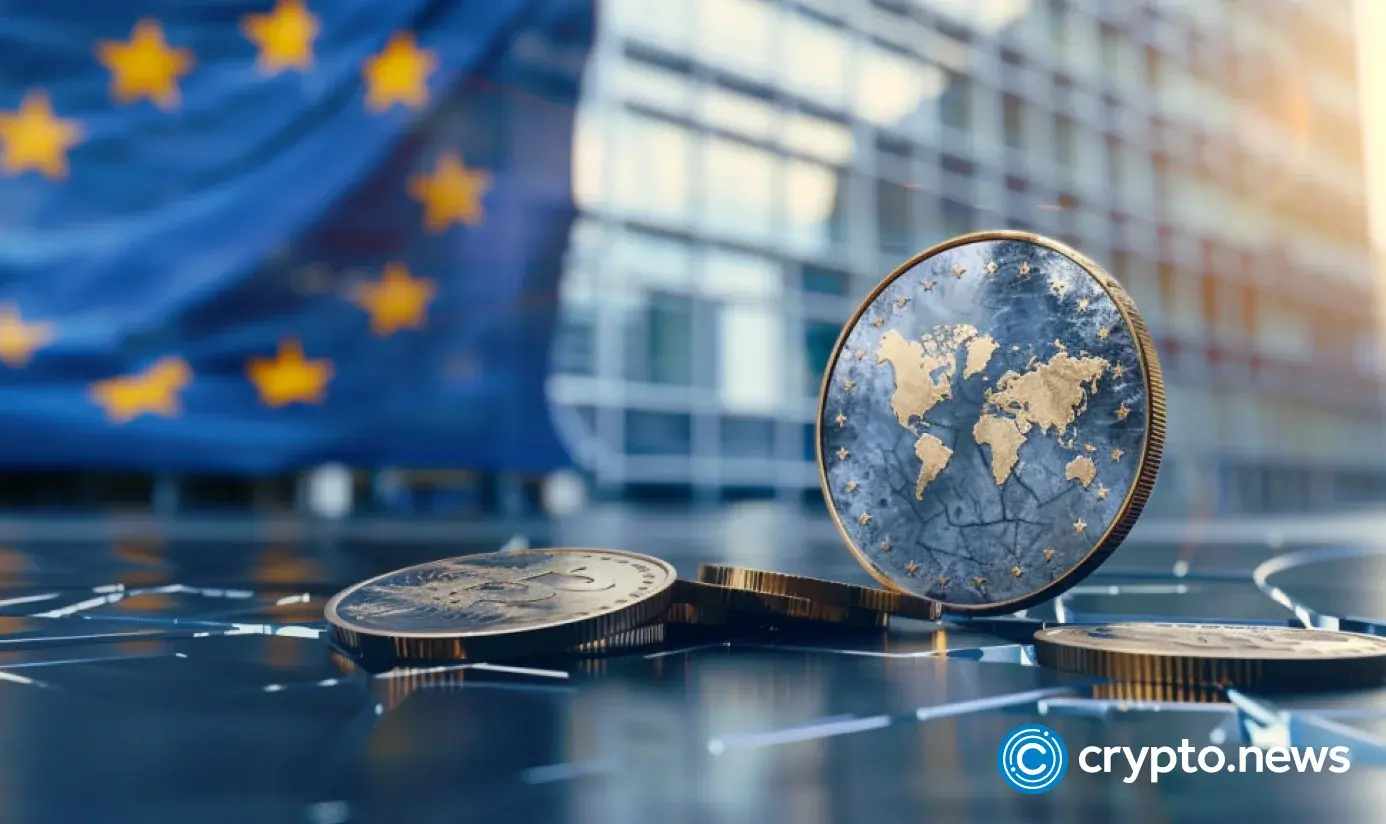
Belarusian nationals and residents have been barred from owning, controlling, or managing crypto-asset service providers regulated under the European Union’s Markets in Crypto-Assets framework from Aug. 25, extending the bloc’s sanctions on the country.
Summary
- The European Union has barred Belarusian nationals and residents from owning or managing MiCA regulated crypto firms from Aug. 25.
- The new sanctions extend earlier restrictions beyond crypto wallets and custody services to cover all crypto asset services under MiCA.
- The move comes as Belarus continues expanding its domestic crypto sector while the EU tightens sanctions linked to Russia’s war in Ukraine.
According to Council Decision (CFSP) 2026/1847, adopted by the Council of the European Union on Thursday, the bloc has expanded its sanctions framework against Belarus by preventing Belarusian nationals and residents from owning, controlling or serving on the governing bodies of crypto-asset service providers authorized under the Markets in Crypto-Assets (MiCA) regulation.
The decision entered into force on July 24, while the new crypto-related restrictions will begin applying from Aug. 25.
The latest measure goes beyond earlier sanctions that covered only providers of crypto wallet, account and custody services. Once the rule takes effect, the restriction will extend to every crypto-asset service category recognized under MiCA.
Under the regulation, Belarusian nationals and residents will no longer be allowed to own or control EU-based firms offering crypto services or hold positions on their governing bodies. MiCA defines those services to include operating crypto trading platforms, exchanging crypto assets, executing and transmitting client orders, placing crypto assets, providing transfer services, offering investment advice and managing crypto portfolios.
Restrictions follow MiCA transition and new Russia sanctions
The timing of the measure comes shortly after the European Union completed MiCA’s transition period on July 1. Crypto firms operating without authorization were instructed to wind down their activities or face enforcement action once the transition ended.
The Belarus-related restriction also forms part of the European Union’s continuing sanctions policy linked to Russia’s war against Ukraine. EU authorities have increasingly focused on crypto infrastructure that they believe could facilitate sanctions evasion or alternative financial channels.
Earlier on Thursday, the European Union adopted its 21st sanctions package against Russia, extending its transaction ban to 14 crypto-related service platforms located outside the bloc. The package also introduced a mechanism allowing the EU to prohibit transactions with foreign crypto service providers that authorities determine are being used to help Russia circumvent sanctions.
The final measures expanded on a proposal published on June 11, when the European Commission had proposed targeting 11 crypto platforms. The approved package ultimately increased that number to 14.
The proposal itself followed action taken by the United Kingdom on May 26, when British authorities sanctioned Huobi Global S.A., the Panama-based company behind HTX. UK officials alleged the company supported Russia-linked financial networks connected to sanctioned entities A7 and Garantex.
Responding to those allegations at the time, HTX told Cointelegraph that regulatory compliance remained its highest priority and said the exchange strictly followed the regulatory frameworks in every jurisdiction where it operates.
Belarus has promoted crypto despite mounting sanctions
The European Union’s latest restrictions arrive as Belarus has increasingly promoted cryptocurrency use inside the country while facing years of financial sanctions from Western governments.
In September 2025, Belarusian President Alexander Lukashenko urged the country’s banking sector to expand the use of cryptocurrencies and modern digital payment systems, arguing that traditional financial methods were no longer sufficient for an economy operating under extensive international sanctions, according to the Belarusian Telegraph Agency.
During the meeting with central and commercial bank leaders, Lukashenko said digital assets should play a larger role in cross-border payments and domestic financial operations. He argued that cryptocurrencies could reduce dependence on financial intermediaries while enabling automated transactions through smart contracts and giving users more control over their assets.
At the time, he also said Belarusian crypto exchanges were on track to potentially double the value of external payments by the end of the year and instructed banks to actively support the country’s growing use of cryptocurrency transactions.
That push came only days after Lukashenko publicly criticized his government for failing to deliver a comprehensive cryptocurrency oversight framework that he had first requested in 2023.
According to the Belarusian Telegraph Agency, the president cited findings from an unscheduled inspection conducted by the State Control Committee, which reported that about half of the funds Belarusian investors transferred to foreign crypto platforms failed to return. Lukashenko said the findings demonstrated the need for stronger supervision and investor protection.
He instructed officials to establish transparent rules and new oversight mechanisms that would protect citizens, businesses and the state’s financial interests while allowing legitimate Belarusian and foreign companies to continue operating in the country’s digital asset sector.
Belarus has permitted cryptocurrency transactions since 2018 under a legal framework administered through the country’s Hi-Tech Park. More recently, Lukashenko has supported additional measures, including directing retail crypto trading toward domestic exchanges and encouraging the development of a state-backed cryptocurrency mining industry to take advantage of Belarus’ surplus electricity.
The European Union’s latest sanctions now place additional limits on how Belarusian nationals and residents can participate in the regulated crypto market inside the bloc, even as Belarus continues pursuing digital assets as part of its domestic financial strategy.
Leave feedback about this